
Puffer fish Lefkada is worth understanding, not fearing. Read practical advice for travelers on beach awareness, simple precautions, and when to seek medical advice.
June 19, 2026
Puffer Fish Lefkada: What Travelers Should Know
Puffer Fish Lefkada: What Travelers Should Know
Puffer fish Lefkada is a topic some travelers may come across while planning beach days or boat trips around the island. There is no reason to panic, but it is useful to know what this fish is, why people mention it, and what simple precautions visitors should keep in mind during their stay.
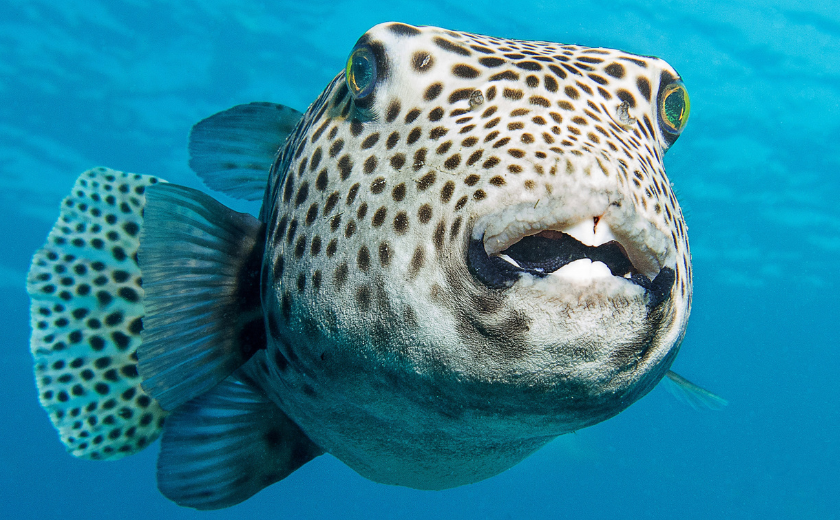
The fish usually discussed in Greece is Lagocephalus sceleratus, an invasive pufferfish species in the Mediterranean. The Hellenic Centre for Marine Research says it has expanded into several areas of the eastern Mediterranean, including the South Ionian, while European fisheries sources describe it as highly poisonous and mainly concerning for biodiversity, fisheries, and public health if handled or eaten improperly.
The purpose of this article is not to alarm travelers. It is simply to help visitors stay informed, act sensibly, and enjoy Lefkada with more confidence.
What is the puffer fish people talk about in Lefkada?
When people mention puffer fish Lefkada, they are usually referring to Lagocephalus sceleratus, sometimes called the silver-cheeked toadfish. HCMR’s LIONHARE project identifies it as a toxic invasive species that has spread through parts of the eastern Mediterranean and South Ionian waters, while the European Commission describes it as one of the most harmful invasive pufferfish problems in the Mediterranean context.
For travelers, the key point is simple: this is mainly an awareness topic, not a reason to avoid the sea or cancel a beach day.
Should travelers in Lefkada be worried?
In practical terms, puffer fish Lefkada should be approached calmly. Most visitors will never have any direct issue at all. Recent reporting citing Greek experts says this species is not considered a beach threat in the sense of something swimmers should fear during ordinary seaside holidays. The main concerns are ecological damage, fishing-related problems, and the danger of consumption or unsafe handling.
That is why the right message is not fear. It is simply this: do not touch unfamiliar fish, do not handle them casually, and do not eat fish you cannot clearly identify.
Why is this fish considered dangerous?
The reason puffer fish Lefkada appears in safety discussions is that this species is toxic. The European Commission states that the fish is highly poisonous, and HCMR’s LIONHARE project also describes it as a toxic species.
For a traveler, that does not mean “danger everywhere.” It means:
- do not pick it up
- do not let children touch unfamiliar fish
- do not eat fish of uncertain identity
- do not assume an unusual-looking fish is harmless
Simple precautions travelers should follow
The most useful approach to puffer fish Lefkada is practical and calm. If you are at the beach, on a boat trip, or near a fishing area:
- do not touch unfamiliar fish
- do not let children play with fish washed ashore or caught by accident
- do not attempt to handle or move a fish yourself
- never consume a fish unless it is clearly identified and properly sourced
- if a fisherman or local guide warns about a species, take the advice seriously
These simple rules are usually enough to keep the issue in the right perspective.
Families should plan realistically
A Nydri Waterfalls visit can work well for families, but it is still worth planning realistically. Children may find the walk more tiring in warm weather, especially if they are already hot, thirsty, or not in the mood for a longer walk before reaching the waterfall area.
Parents should watch for:
- unusual tiredness
- thirst
- irritability
- reluctance to continue
- dizziness
- signs of overheating
A shorter, more comfortable plan usually works better than trying to turn the outing into a very full day.
Beach days and boat trips can still be enjoyed normally
A puffer fish Lefkada article should not leave travelers with the wrong impression. Lefkada remains a beach and boat destination, and most swims, seaside days, and sea excursions happen without any relation to this issue at all.
That balanced message is supported by recent expert commentary in Greece, which stresses that the fish is not something holidaymakers should automatically fear at the beach.
What parents should tell children
For families, the best way to handle the puffer fish Lefkada topic is simply to explain one clear rule: do not touch fish or marine animals unless a responsible adult says it is safe.
That is usually enough. Children do not need a frightening explanation. They just need a calm and simple instruction that also applies more broadly to unfamiliar sea life, fishing gear, or anything washed ashore.
What to do if you see one
If you think you have seen a puffer fish Lefkada situation during your holiday, the practical response is simple:
- do not touch it
- keep children away
- avoid trying to handle it yourself
- tell a local professional if needed, such as a fisherman, boat operator, or relevant local authority
Again, the point is not panic. It is just basic caution.
What if there is contact, a small injury, or concern?
If there is any direct contact, a cut, a puncture, or simply concern after handling a fish, it is better to act calmly and not ignore it. Most situations will not become serious, but travelers should not rely on guesswork.
If something happens during your stay in Lefkada, it is best to seek medical advice promptly, especially if:
- there is a wound or puncture
- a child has handled the fish
- there is significant pain
- there is unusual swelling
- someone may have eaten an unidentified fish
- symptoms feel unusual or worrying
What to watch out for after eating fish
The most important health concern in the literature around this species is consumption. EU fisheries sources explicitly describe the fish as highly poisonous, and HCMR identifies it as toxic. That is why the most sensible advice for travelers is straightforward: never eat fish of uncertain identity, and never treat an unusual catch as harmless.
When to seek medical advice during your stay
You should seek medical advice promptly if:
- there has been direct handling with injury
- there is concerning pain or swelling
- an unidentified fish may have been eaten
- there is vomiting or unusual weakness after suspected consumption
- symptoms are worrying, unusual, or getting worse
The practical message for puffer fish Lefkada is not fear. It is simply early action if something does not feel right.
Final thoughts
Puffer fish Lefkada is worth understanding, but it should not overshadow the holiday. The fish is a real invasive and toxic species in Greek and South Ionian waters, according to HCMR and European fisheries sources, so awareness matters. At the same time, the right response for travelers is calm, practical, and simple: do not touch unfamiliar fish, do not consume fish you cannot identify, and seek medical advice promptly if there is any real concern.
The goal is not to alarm visitors. It is to help them stay informed and enjoy Lefkada with more confidence.
FAQ
What does puffer fish Lefkada mean?
Puffer fish Lefkada usually refers to awareness about Lagocephalus sceleratus, an invasive toxic pufferfish species found in Greek and South Ionian waters. HCMR includes the South Ionian among affected areas.
Should travelers in Lefkada panic about puffer fish?
No. This is an awareness topic, not a reason for panic. Greek experts have said the species is not a direct beach threat to swimmers.
Why is puffer fish considered dangerous?
European fisheries sources describe Lagocephalus sceleratus as highly poisonous, and HCMR identifies it as a toxic invasive species.
What should I do if I see a puffer fish in Lefkada?
Do not touch it, keep children away, and avoid trying to handle it yourself.
When should I seek medical advice?
You should seek medical advice if there is injury after contact, significant pain or swelling, suspected consumption of unidentified fish, or any unusual symptoms that cause concern.
Need assistance in Lefkada?
IASSIST Lefkada is ready to help. Whether it’s a minor issue or an unexpected health concern, you’ll find fast, friendly, and English-speaking care just minutes away. Travel smart. Travel safe. Travel with peace of mind.


Internal Links:
Book your appointment online
Our simple to use, online appointment process makes it easy for you to book for any one of our services and doctors.