
Lefkada beaches offer something for every kind of traveler, from organized beach days to dramatic west-coast scenery. Read practical tips on planning a comfortable and safer day by the sea.
June 29, 2026
Lefkada Beaches: What Travelers Should Know
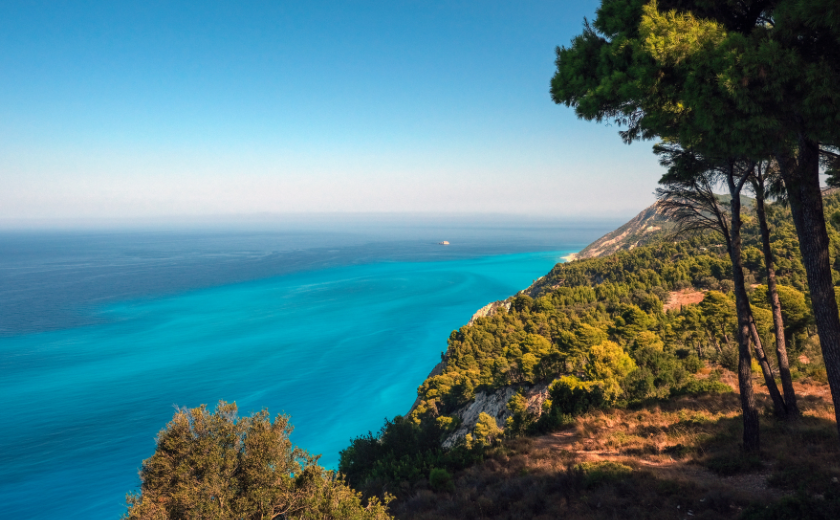
Lefkada beaches are one of the main reasons travelers choose the island. Current travel guides consistently present Lefkada as one of Greece’s standout beach destinations, highlighting famous names such as Porto Katsiki, Egremni, and Kathisma, along with many other swimming spots around the island. Discover Greece describes these beaches as some of the most beautiful in the Mediterranean, while its dedicated beach guide emphasizes how varied the island’s coastline really is.
That variety is exactly why Lefkada beaches are so appealing. But it also means travelers should not treat every beach day the same way. Some beaches are easy and organized, some are more exposed and physically demanding, and some are better for families than others. A little planning usually makes the day more comfortable.
Why Lefkada beaches are so popular
One reason Lefkada beaches attract so much attention is that the island offers very different coastal experiences in one destination. Discover Greece’s guide highlights famous west-coast beaches such as Porto Katsiki, Egremni, and Kathisma, while broader Lefkada guides describe a mix of dramatic cliff-backed beaches, organized swimming spots, and east-coast areas that feel easier and calmer.
That means travelers can choose beaches based on what they actually want from the day: scenery, easier access, calmer swimming, facilities, family comfort, or a more adventurous outing. This is a practical inference from the range of beach types described in the current travel guides.
Not all Lefkada beaches feel the same
A useful thing to understand early is that Lefkada beaches are not one single experience. Some are easier to reach and more organized, while others are more dramatic and may involve extra effort, heat exposure, or more demanding access. Current guides repeatedly note that the west coast is famous for steep cliffs, deep blue water, and striking scenery, while many resorts and easier-access stays are based more on the east side of the island.
This matters because travelers often plan beach days based only on photos. In practice, the “best” beach depends on the kind of day you want and how much effort you want to put into it. That is a practical recommendation based on the differences in access and setting described by the travel sources.
Families should choose beach days realistically
Some Lefkada beaches are better suited to a relaxed family day than others. Discover Greece’s beach guide includes highly famous beaches with dramatic settings, but current Lefkada guides also stress that some beaches involve more steps, more walking, narrower roads, or more physically demanding access than visitors expect.
For families, the most comfortable beach day is often not the most famous one, but the one that matches the age of the children, the heat of the day, the amount of walking involved, and the family’s energy level. This is practical advice inferred from the access and terrain differences described by the guides.
Heat and sun can change the whole experience
Even the most beautiful Lefkada beaches can become tiring in strong summer sun. Travel guides describe the island’s west coast as highly exposed, with steep cliffs, intense blue water, and strong open-sea light, all of which are part of the appeal but can also make long beach days more draining.
That is why a comfortable beach day usually depends on simple things:
- enough water
- sunscreen
- sunglasses
- a hat
- lighter clothing
- realistic timing
- not trying to combine too many stops in one day
These are practical travel recommendations based on the exposed beach conditions described by current Lefkada sources.
What travelers should bring with them
A day at Lefkada beaches is easier when treated as a proper outing rather than an improvised stop. Depending on the beach, travelers may need more preparation than expected. Multiple Lefkada guides specifically note pebbly beaches, steep access, or more demanding approach routes at some of the island’s most famous swimming spots.
It is sensible to bring:
- enough water
- sunscreen
- sunglasses
- a hat
- light snacks
- comfortable footwear
- a charged phone
- water shoes if the beach is pebbly
This is practical guidance inferred from the beach conditions and access notes in current Lefkada guides.
Some famous beaches are more physical than they look
One reason travelers underestimate Lefkada beaches is that the most famous ones can be physically more demanding than they appear in photos. Discover Greece notes that Porto Katsiki involves a staircase of around 100 steps, while other guides describe narrow roads, sharp turns, or effort getting down to some west-coast beaches.
That does not make these beaches a bad choice. It simply means beach days in Lefkada are easier when planned realistically, especially for children, older travelers, or anyone already tired from heat or road travel. This is a practical recommendation based on the access details described by the travel sources.
What travelers should watch out for
The main things to watch out for at Lefkada beaches are heat, overplanning, dehydration, children getting tired faster than expected, and assuming every beach is equally easy. A beach that looks calm in a photo can still become a long and tiring outing once road time, parking, walking, steps, and sun exposure are added.
A smarter beach day usually means:
- choosing fewer stops
- deciding what kind of beach day you want
- avoiding peak exhaustion
- giving children and older travelers more breaks
- not forcing a full-day outing when the weather or energy level says otherwise
These are practical travel tips inferred from current Lefkada beach and access guides.
When it is no longer just a tiring beach day
Most people leave Lefkada beaches with nothing worse than tiredness, sun, and a need for water or rest. But if symptoms continue after the outing, it may no longer be just normal beach fatigue.
You should take it more seriously if there is:
- dehydration that is not improving
- repeated vomiting
- unusual weakness
- strong dizziness
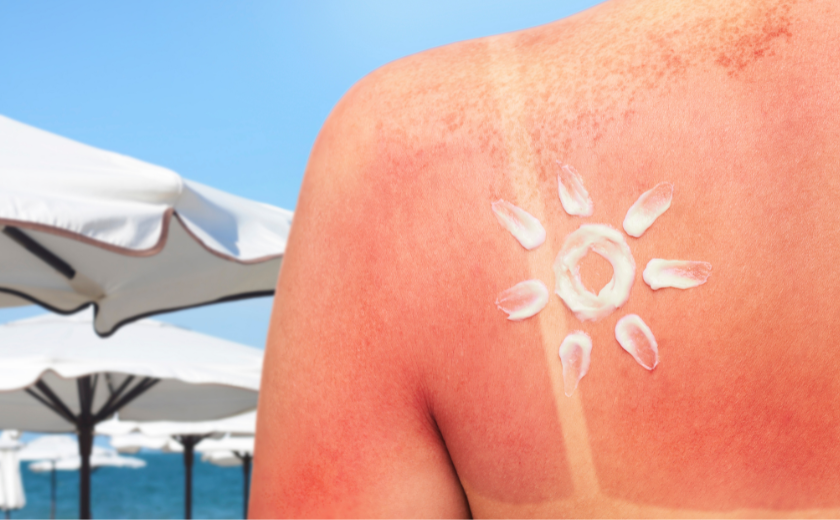
- severe sunburn
- fever
- a child who seems clearly unwell
- symptoms that are getting worse instead of improving
This is practical medical guidance rather than a tourism fact.
What if there is contact, a small injury, or concern?
If there is any direct contact, a cut, a puncture, or simply concern after handling a fish, it is better to act calmly and not ignore it. Most situations will not become serious, but travelers should not rely on guesswork.
If something happens during your stay in Lefkada, it is best to seek medical advice promptly, especially if:
- there is a wound or puncture
- a child has handled the fish
- there is significant pain
- there is unusual swelling
- someone may have eaten an unidentified fish
- symptoms feel unusual or worrying
When to seek medical advice during your stay
After a day at Lefkada beaches, medical advice may be worth considering if you or someone in your group has worrying symptoms that continue after rest and fluids. Early advice is often easier than waiting too long, especially when children, older travelers, or already tired visitors are involved.
That is particularly true in peak summer conditions, when heat, long outdoor hours and repeated beach stops can make even a simple day feel more demanding than expected. This is practical guidance based on the exposed beach-day conditions described by current Lefkada travel sources.
Final thoughts
Lefkada beaches are one of the island’s great highlights, and for good reason. Current travel guides present Lefkada as one of Greece’s standout beach destinations, with world-famous west-coast scenery and many different coastal experiences to choose from.
The best beach day is not always the one with the most stops or the most famous name. It is the one that matches your pace, your group, and the conditions of the day. A little planning, enough water, and realistic expectations can make a major difference. And if the day starts affecting your health afterward, it is best to seek medical advice early rather than wait for symptoms to get worse.
FAQ
What are the best Lefkada beaches?
Current travel guides regularly highlight Lefkada beaches such as Porto Katsiki, Egremni, and Kathisma among the island’s best-known options.
Are Lefkada beaches good for families?
Some Lefkada beaches are very family-friendly, but not all beach days feel the same. Travelers should choose according to access, heat, facilities, and how demanding the outing will be. This is practical advice inferred from current beach and access guides.
What should I bring for a beach day in Lefkada?
For Lefkada beaches, it is a good idea to bring water, sunscreen, sunglasses, a hat, light snacks, comfortable footwear, and often water shoes for pebbly beaches.
Are some Lefkada beaches physically demanding to reach?
Yes. Current guides note that some famous west-coast beaches involve stairs, narrow roads, or more effort than visitors first expect.
When should I seek medical advice after a beach day?
You should consider medical advice if there is dehydration, dizziness, repeated vomiting, unusual weakness, severe sunburn, fever, or symptoms that are getting worse.
Need assistance in Lefkada?
IASSIST Lefkada is ready to help. Whether it’s a minor issue or an unexpected health concern, you’ll find fast, friendly, and English-speaking care just minutes away. Travel smart. Travel safe. Travel with peace of mind.


Internal Links:
Book your appointment online
Our simple to use, online appointment process makes it easy for you to book for any one of our services and doctors.