
Food poisoning in Lefkada can ruin a holiday fast. Learn the 7 warning signs, what to do first, and when to see a doctor for quick medical help.
April 28, 2026
Food Poisoning in Lefkada? 7 Signs to See a Doctor
Food Poisoning in Lefkada? 7 Signs to See a Doctor
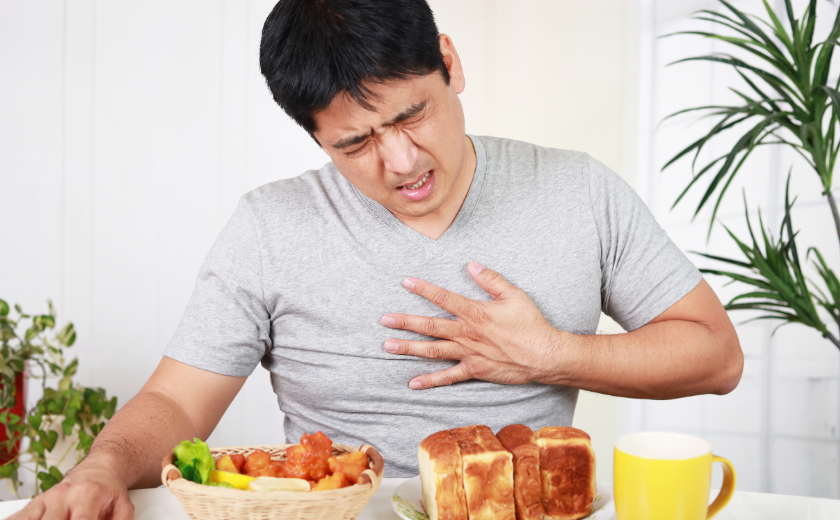
Food poisoning in Lefkada is one of the most common health concerns that can affect tourists during a holiday. Stomach cramps, diarrhoea, vomiting, nausea, and fever can start suddenly and quickly disrupt travel plans. In many cases, food poisoning improves with rest and fluids, but some symptoms should not be ignored. NHS guidance says food poisoning often causes nausea, vomiting, diarrhoea, stomach pain and fever, and many cases get better at home, while CDC notes that severe cases can involve dehydration, bloody diarrhoea, persistent symptoms, or frequent vomiting.
When you are away from home, the hardest part is often knowing whether you should wait a few hours, drink fluids, and rest, or whether it is time to see a doctor. That is where practical local care matters. IASSIST presents itself as a Lefkada medical service offering urgent care, emergency hotline support, diagnostic examinations, multilingual staff, insurance acceptance, and appointments in Nydri, Nikiana, or at your accommodation.
What food poisoning usually feels like
Food poisoning symptoms can begin within hours or after a longer delay depending on the cause. Common symptoms include:
- nausea
- vomiting
- diarrhoea
- stomach pain or cramps
- fever
- feeling weak or generally unwell
NHS and CDC both list these as common food poisoning symptoms, and CDC also highlights dehydration, bloody diarrhoea, fever over 102°F, vomiting that prevents drinking, and diarrhoea lasting more than 3 days as warning signs of more serious illness.
Food Poisoning in Lefkada: 7 Signs to See a Doctor
1. You cannot keep fluids down
If vomiting is frequent and you cannot keep water or oral fluids down, the main risk becomes dehydration. This matters even more in hot weather and after sun exposure.
2. You have signs of dehydration
Dry mouth, dizziness, unusual weakness, very dark urine, or passing very little urine are important warning signs. Dehydration is one of the main reasons food poisoning needs medical assessment.
3. Diarrhoea lasts more than 3 days
Short-lived stomach illness is common. But if diarrhoea continues beyond 3 days, medical advice is the safer option. CDC specifically lists diarrhoea lasting more than 3 days as a reason to seek medical care.
4. There is blood in the stool
Bloody diarrhoea is not something to “wait out.” It may suggest a more serious infection and should be assessed promptly. CDC lists bloody diarrhoea among the warning signs of severe food poisoning.
5. You have a high fever
Food poisoning can cause fever, but a high fever can indicate a more significant infection. CDC lists fever over 102°F as a warning sign for severe food poisoning.
6. The stomach pain is severe or getting worse
Cramping is common, but severe pain, pain that becomes more localized, or pain that does not improve may need proper medical evaluation to rule out something more serious than routine food poisoning.
7. You feel too weak to manage safely on your own
If you feel faint, confused, exhausted, or clearly worse rather than better, especially during travel, it is time to get medical help rather than relying on self-care.
What tourists should do first
If symptoms seem mild, the first steps are usually simple:
- rest
- sip fluids regularly
- avoid alcohol
- avoid heavy meals
- return to food gradually only when tolerated
NHS says many cases of food poisoning can be managed at home, mainly by resting and drinking fluids, while watching for signs that medical help is needed.
Why food poisoning can feel worse on holiday
Food poisoning is stressful anywhere, but it is worse when you are travelling. Tourists often do not know:
- where to find a doctor quickly
- whether urgent care is available
- whether diagnostic tests can be arranged
- whether insurance is accepted
- whether someone speaks English
- whether they can be seen at their accommodation
These practical concerns matter. IASSIST states that it offers urgent care, multilingual staff, all insurances accepted, diagnostic examinations, emergency hotline support, and booking options in clinics or at your accommodation.
How IASSIST can help with food poisoning in Lefkada
This article is commercially useful because the service fit is real. IASSIST’s own walk-in clinic page specifically mentions support for stomach bugs and food poisoning, while the wider site promotes urgent care, GP access, diagnostic examinations, and emergency support for tourists in Lefkada.
According to the site, IASSIST offers:
- walk-in urgent care in Lefkada
- GP support
- diagnostic examinations
- emergency hotline access
- multilingual staff
- all insurances accepted
- clinic locations in Nydri and Nikiana
- appointment option at your accommodation
That makes it a practical option for tourists who need help quickly, especially if vomiting, diarrhoea, dehydration, or weakness are making travel difficult.
A simple rule to remember
If your symptoms are mild, improving, and you can drink fluids, short home management may be enough.
If you cannot keep fluids down, have bloody diarrhoea, signs of dehydration, severe pain, a high fever, or symptoms that are not improving, see a doctor without delay. NHS and CDC both support seeking medical care when food poisoning symptoms become more severe or prolonged.
FAQ about food poisoning in Lefkada
What are the most common symptoms of food poisoning in Lefkada?
Common symptoms include nausea, vomiting, diarrhoea, stomach cramps, fever, and feeling generally unwell. These are the typical symptoms listed by NHS and CDC for food poisoning.
When should I see a doctor for food poisoning in Lefkada?
You should seek medical help if you cannot keep fluids down, have signs of dehydration, have bloody diarrhoea, severe pain, a high fever, or diarrhoea lasting more than 3 days.
Can dehydration happen quickly with food poisoning?
Yes. Dehydration can develop quickly, especially with repeated vomiting or diarrhoea, and it can be more serious in children.
Does IASSIST treat stomach bugs and food poisoning in Lefkada?
Yes. The IASSIST walk-in clinic page explicitly mentions support for stomach bugs and food poisoning.
Can I book an appointment at my accommodation?
Yes. IASSIST’s site includes an At your Accommodation option in its booking flow.
Can I get diagnostic tests in Lefkada if needed?
Yes. IASSIST states that it arranges diagnostic examinations in Lefkas, including blood tests, X-rays, and ultrasound, with insurance support.
Need assistance in Lefkada?
IASSIST Lefkada is ready to help. Whether it’s a minor issue or an unexpected health concern, you’ll find fast, friendly, and English-speaking care just minutes away. Travel smart. Travel safe. Travel with peace of mind.


Internal Links:
Book your appointment online
Our simple to use, online appointment process makes it easy for you to book for any one of our services and doctors.